
Why self-storage is built for growth
High demand, a hedge against inflation, and resilience through economic cycles.
A $44 billion industry with steady demand
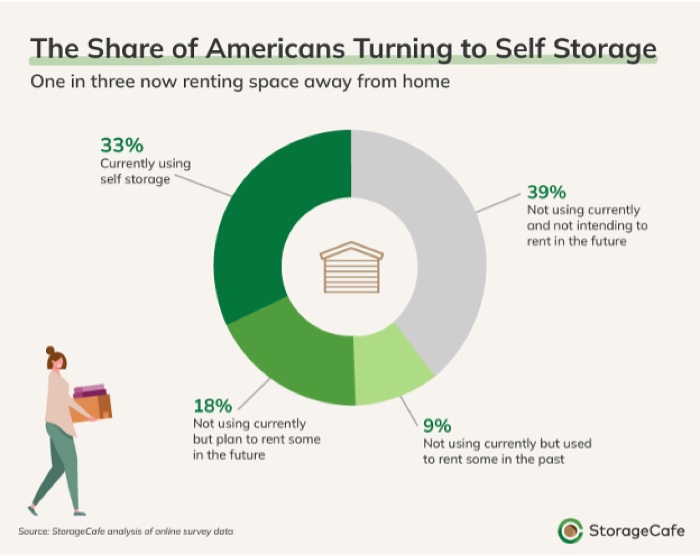
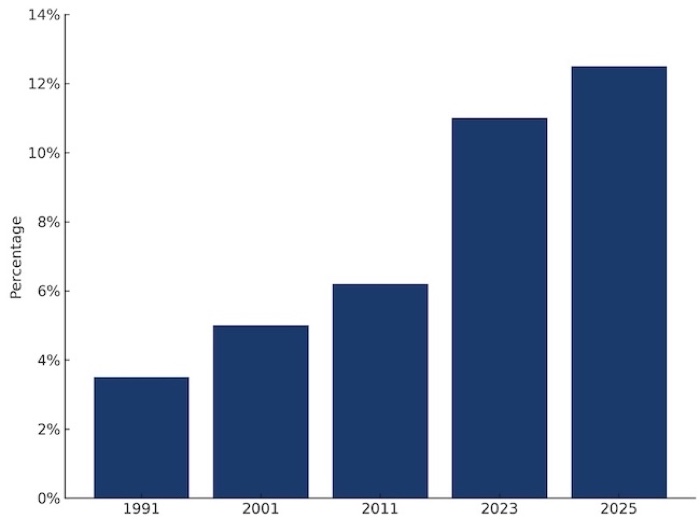
Americans use self-storage for many personal and business needs. From 2020 to 2024, annual industry revenue grew over 13%, from $39 billion to $44.33 billion.
Unlike other asset classes, self-storage is highly fragmented. Public REITs own less than 40% of the market, which leaves most properties in the hands of smaller operators and creates real acquisition potential.
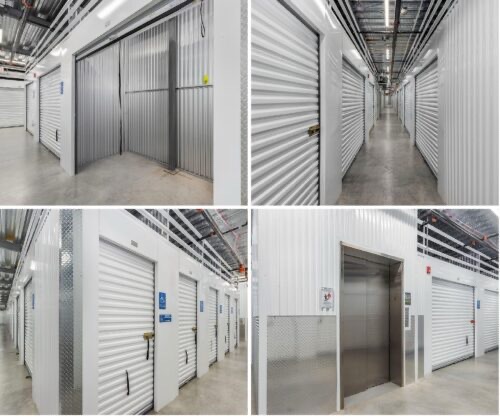
Self-storage by the numbers
Sources: sparefoot.com; Yardi Matrix
In good times and bad
When the economy is booming, household consumption rises and people have more to store. In a downturn, people downsize and move, and use self-storage for their belongings. Businesses use it as a secure, economical alternative to office and warehouse space.
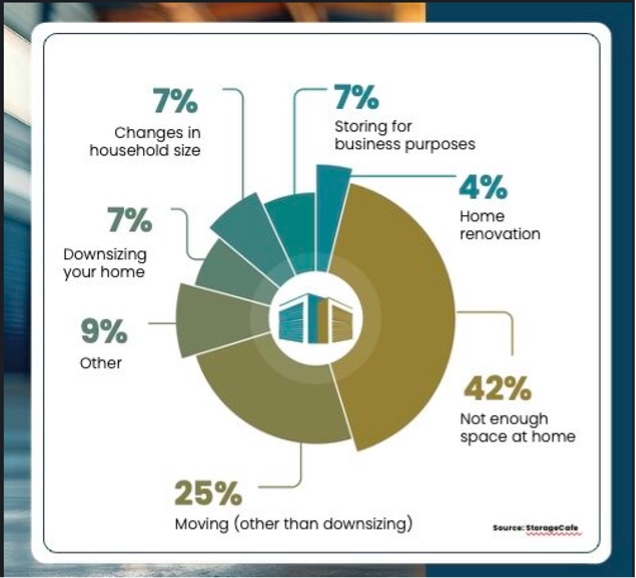
What drives self-storage usage
Smaller living spaces, demographic shifts and flexible work all feed demand.
- Space limitations: apartments have shrunk, especially in dense urban and suburban areas, pushing residents to use storage. In southern markets, basements are rare.
- Lifestyle transitions: demand follows household moves, often linked to the "4 Ds": death, divorce, downsizing and dislocation.
- Demographic changes: several generations are fueling growth.
- Baby boomers are downsizing from larger family homes.
- Millennials use storage during transitional phases, such as moving for work or starting families.
- Generation Z is the fastest-growing market, with many young people moving for school or work and living in small spaces.
- Remote work: many people have turned living space into a home office, leaving no room for extra furniture and belongings.
- Growth of e-commerce: small businesses, online retailers and contractors use storage units as an affordable alternative to commercial warehouse space for inventory, equipment and supplies.
Self-storage against other property types
| Asset class | Avg NOI growth | CapEx % of NOI | Lease term | Recession resistance | Rate adjustment |
|---|---|---|---|---|---|
| Self-storage | 4.4% | 8% | Month-to-month | High | 30 days |
| Multifamily | 3.1% | 11% | 12 months | Medium-high | Annually |
| Office | 1.8% | 18% | 5 to 10 years | Low | At renewal |
| Retail | 1.5% | 14% | 5 to 10 years | Low | At renewal |
| Industrial | 3.6% | 10% | 3 to 7 years | Medium | At renewal |
Source: White Label Storage
Why we like the economics
Low cost to run
- Low costs for personnel, maintenance and repair, capital expenditure, infrastructure, evictions and utilities
- Strong operating margins and low breakeven occupancy
- Low turnover costs and easy management: show, rent, turn over, sweep and re-show
Flexible and low risk
- No rent regulation, and month-to-month tenancies mean rents respond quickly to inflation and economic change
- Straightforward eviction and contents auction
- Low liability, with no on-site tenants
Room to grow
- Fewer investors competing for deals than in other real estate classes
- Over 65% of owners are small operators
- Scalable by expanding a building or adding a new one, at much lower development cost than other asset classes
Join our investor network
Be the first to hear about new self-storage opportunities, with the full due diligence behind each one.
Prefer to talk first? Call (860) 748-5936 or email jgreshin@scaffoldpartners.com